


By Emma Whitehead on Thu 18 December 2025 in Blog
Signs of poor ventilation in houses and effective solutions
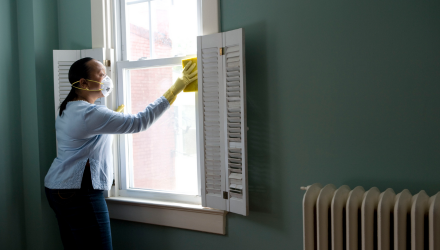
Good ventilation isn’t just about health and safety: it’s also about comfort and cost-effectiveness. Choosing the right ventilation solutions is essential to ensuring occupants stay happy (and healthy) in their homes.
Read on to find out how to spot the signs of poor ventilation in your properties and how to address them.
What is poor ventilation, and why does it matter?
Poor ventilation occurs when airflow through a property cannot efficiently remove stale, humid or polluted indoor air. Inadequate ventilation can allow moisture to accumulate, increasing the risk of damp and mould. With buildings becoming more airtight to meet modern energy and performance standards, expectations for effective ventilation are rising. These regulatory pressures are especially significant in social housing, where poor ventilation is common, and are increasingly extending to private homes.
Key signs of poor ventilation in your property
Poor ventilation doesn’t happen overnight: it happens gradually, making the early warning signs easy to overlook. Recognising these signs of poor ventilation in houses helps you protect both occupant health and your property.
Persistent condensation
Persistent condensation appears as water droplets form on windows, mirrors or cold surfaces (often most noticeable early in the mornings, after cooking or showering). It’s caused by excess indoor moisture combined with insufficient airflow to remove it.
Left unresolved, condensation can lead to mould growth, damage and impact the effectiveness of insulation. Over time, this increases risks to respiratory health and contributes to damp, unhealthy living conditions.
Damp and mould
Damp and mould are clear signs that your ventilation strategies aren’t working. In poorly ventilated properties, mould often begins in bathrooms, kitchens, and behind furniture: all spots where moisture accumulates.
Mould isn’t just unpleasant, it’s dangerous. If left untreated, mould exposure can exacerbate allergies, asthma, and cause other respiratory issues. Under Awaab’s Law, landlords and property owners are responsible for treating and preventing mould, with the most effective strategies using tailored ventilation (such as effective bathroom and kitchen extraction) to help prevent mould growth.
Musty or stale odours
Poor ventilation can cause musty, lingering smells as odours become trapped instead of being removed through regular air exchange. These unpleasant smells often build up in rooms with poor ventilation- most commonly bathrooms or bedrooms. Persistent odours are an early warning sign that ventilation systems are not performing effectively and need upgrading.
Poor thermal comfort
Insufficient airflow negatively affects thermal comfort, making rooms feel hot even when temperatures are moderate. Poor ventilation in houses also contributes to uneven temperatures, with some spaces feeling excessively warm in summer and uncomfortably cold in winter. These issues are a core indication that a building’s ventilation strategies are not functioning as intended.
High energy bills
Inadequate ventilation forces heating and cooling systems to work harder to maintain comfortable temperatures, leading to higher energy bills. Homes lacking effective ventilation often retain excess humidity, making spaces harder to heat or cool efficiently.
While landlords or developers may avoid installing ventilation solutions due to upfront cost, poor ventilation ultimately leads to greater long-term expenses for tenants and homeowners through increased energy use and potential property damage.
Risks of poor ventilation
Poor ventilation affects more than just indoor air freshness, it can impact occupant health, building safety, and regulatory compliance. Understanding these risks helps homeowners, landlords and developers identify when ventilation upgrades or improvements are needed to protect occupants and the long-term performance of a property.
Health and wellbeing risks
Insufficient ventilation allows pollutants, allergens and moisture to build up indoors, which leads to significant health issues like:
- Chronic respiratory problems
- Headaches
- Fatigue
- General discomfort
The impacts can be especially damaging to young children and vulnerable people with pre-existing conditions or disabilities, who may find it difficult to advocate for better conditions for themselves.
Structural risks
Poor ventilation increases indoor humidity, leading to damp, condensation and mould that can damage walls, ceilings and floors. Over time, excess moisture can result in the corrosion of structural elements (often through wood rot) and the deterioration of insulation performance. These issues can often go unnoticed until it’s too late, resulting in significant and expensive repairs.
Comfort and wellbeing
Inadequate ventilation affects overall indoor comfort, creating stuffy, humid or stale environments. It can also disrupt sleep and impact general wellbeing. With hybrid and home working increasingly common, maintaining comfortable indoor environments is more important than ever for productivity, mental health and daily living.
Non-compliance with building standards
Modern building regulations demand specific ventilation standards to protect occupant health and safety. Failing to meet requirements like Building Regulation Part F exposes landlords and developers to significant legal and financial risks, enforcement action and potential liability claims from tenants experiencing health issues.
As standards continue to tighten, proactively upgrading ventilation systems helps future-proof properties. Vitally, this also helps avoid costly retrofits in the future and reputational risks that can affect property values, tenant retention, and marketability.
Effective solutions to improve ventilation
There are several strategies to improve ventilation, each with different levels of effectiveness:
1. Natural ventilation: Strategies like opening windows or using cross-ventilation can provide a temporary airflow solution, but are often limited by weather conditions and building design. Mechanical ventilation offers more reliable and controlled performance.
2. Residential MVHR: Recovering heat while providing fresh, continuous airflow, mechanical ventilation with heat recovery is an energy-efficient ventilation solution.
3. Extractor fans: Continuous running extractor fans remove moisture and pollutants from kitchens and bathrooms.
Combining insulation and ventilation
Ventilation and insulation need to work together, not against one another. In modern buildings (where insulation and air tightness have been prioritised in the building design), effective ventilation is vital to maintain airflow. To make sure that your systems are working in unison:
- Check that your extractor fan systems are functioning efficiently
- Unblock vents and fans, which could stop fresh air from circulating
- Use smart sensors to maintain thermal comfort (particularly in the Summer/Winter)
Why you need to prioritise proactive ventilation strategies
Proactive ventilation strategies are essential for staying ahead of evolving regulations. As demand grows for healthier indoor environments and lower carbon emissions, legislative requirements are tightening rapidly. Acting early helps you maintain compliance, avoid expensive retrofits, and demonstrate commitment to occupant wellbeing and sustainability.
Beyond regulatory compliance, modern ventilation delivers tangible operational benefits: improved energy efficiency through smarter airflow control, reduced running costs, and extended system lifespans. This creates resilient buildings that perform better today while preparing you for tomorrow's regulatory and environmental challenges.
Navigate modern ventilation challenges with Airflow
At Airflow, we provide effective solutions to ensure your builds don’t suffer from the effects of poor ventilation. Our future-focused approach to residential ventilation solutions helps landlords and developers to meet current standards and anticipate future regulations. By combining innovative design, energy-efficient performance, and sustainable technology, Airflow supports healthier living environments and long-term building resilience. By investing in smarter ventilation today, our solutions can help you create resilient, sustainable homes that are prepared for the future.
Want to find out more about how our residential ventilation solutions can support your developments? Get in touch to speak to a member of our expert team, or visit our sector pages for tailored advice for your builds.